enrollment, and
organizational strategy
I help schools close the distance between who they are and how they are perceived.
Every school has a brand it curates on purpose. The website, the viewbook, the social feed, the ad campaigns. That work matters, and it's only ever as good as the reality families check it against.
The rest of the brand is that reality: what it feels like to be a student there, what parents tell their friends after a morning on campus, what faculty and staff say about where they work, how the school responds when someone raises a concern, what a prospective family carries away from an Open House. No marketing office can create that or will it into existence, because a school's brand isn't separate from the lived experience of its community.
Over time, a gap can develop between the two. Often the most compelling things about a school are the ones missing from the external version, so families never encounter the strongest reasons to believe. Sometimes the experience hasn't caught up to what the school has promised. And sometimes a school is doing genuinely distinctive work that its own families don't have the words for, which means the people best positioned to tell the story can't.
My work is closing that gap: finding what's true, saying it accurately and well, and then making sure that what's true is felt everywhere the school meets people.
I work across brand, marketing, enrollment, communications, and organizational strategy, and I work on them together, because families don't experience them separately. The website, the Open House, the weekly newsletter, and the way the admissions office builds relationships with prospective families are all the same message arriving in different forms.
Engagements begin with listening and end with strategy turned into action.
it's working
You know the brand articulation is right when the room exhales. People say, “yes, that's us.” The real proof comes later, in the metrics we use to measure whether the brand is working.
of engagements
at a time
The work often runs six to twelve months, sometimes longer depending on what a school needs, and each one asks for significant attention, more than I could give to many schools at once.
Schools that work with me gain a thought partner who really knows their school: its history, its people, its pedagogy, its instincts, and the things it does well without having found words for. I'm interested in strategy that turns into action and then into results that change the trajectory of a school. That takes staying long enough to see it through.
work is for
Independent schools, mostly, from PreK through twelfth grade. Also mission-driven organizations facing the same question: whether what they are, what they offer, and how they're perceived are actually the same thing.
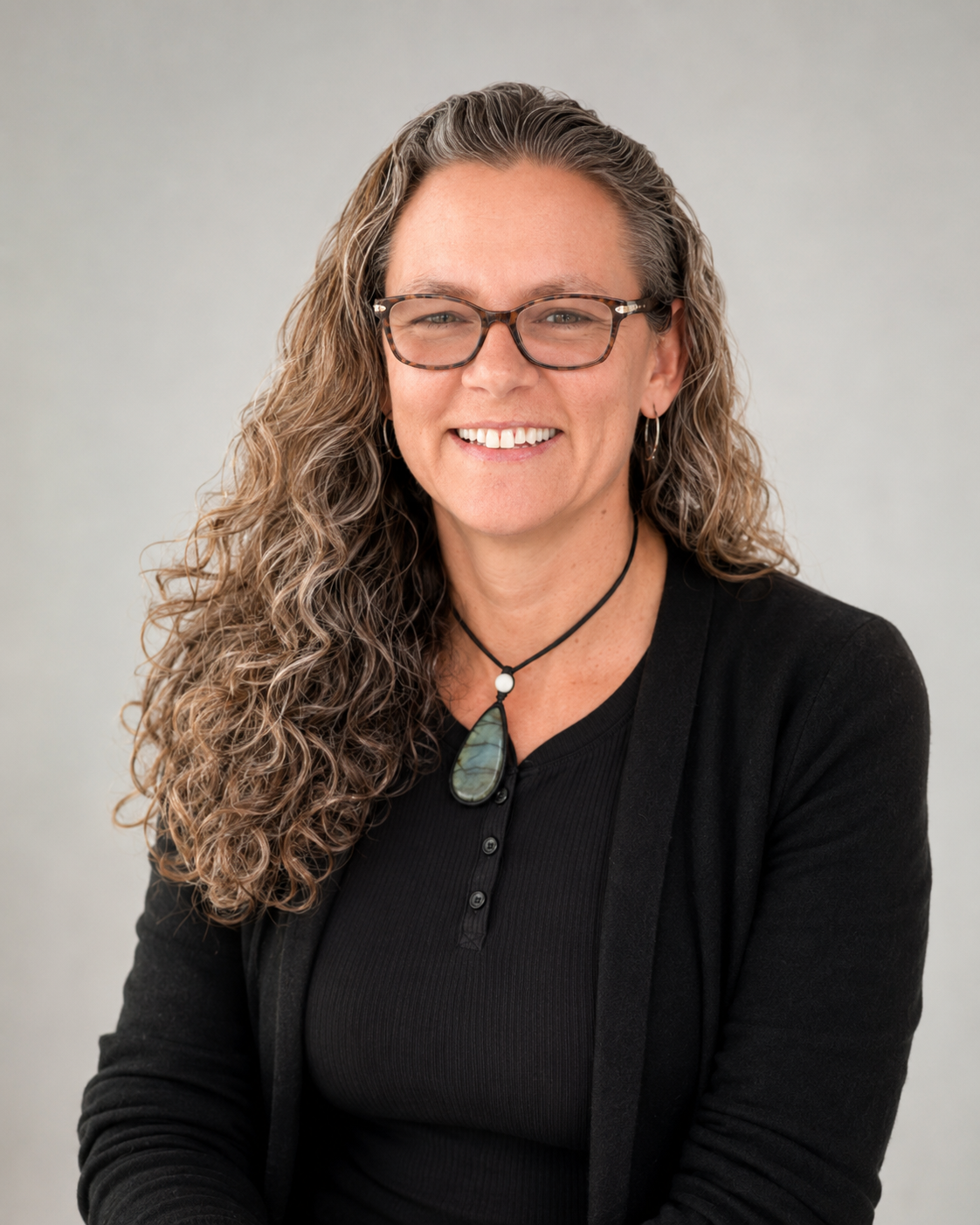
It matters to me that I'm the right person for what an organization actually needs, and I don't assume that I am. So the first conversation is about your school: what you're facing, how you tend to approach change, and whether this is the right work at the right moment.
We'll start with questions. What's going on, what you think you need, and why now? A proposal can come later if it makes sense.